
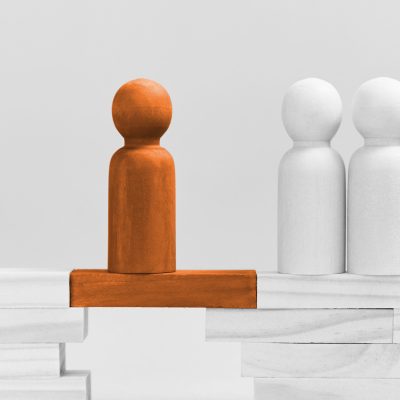

The words we use matter deeply. Language evolves over time, and with it, so do the meanings and implications of certain terms. Occasionally, we adopt terminology that – while well-intentioned – can unintentionally make things worse. One such word that often falls into this category is bias.
Around ten years ago, the term unconscious bias became widely used as a way to explain the hidden attitudes or stereotypes that influence our decisions and actions without our awareness. The goal was to shine a light on the subtle ways prejudice can manifest, even in people who genuinely see themselves as fair and inclusive.
However, this framing also had unintended consequences. It suggested that the presence of bias was a personal defect – something lodged within the individual that they were solely responsible for identifying and overcoming. This often led to blame being placed on the person perceived to hold the bias, rather than looking at the wider context, environment, or systemic influences that might be shaping their perceptions.
In reality, what we sometimes label as bias might simply be a matter of perception – a natural human response based on limited information, personal experience, or environmental cues. The distinction matters. Perception is fluid, contextual, and open to change. And crucially, we can often manage how others perceive us, giving us a degree of agency and control. Bias, on the other hand, is deeply internal and often inaccessible to those who hold it – making it far more difficult to influence directly.
This shift in thinking – from bias to perception – is more than just semantics. It has practical implications, especially for women navigating complex professional environments. Earlier this year, I delivered a keynote at a major consultancy firm for International Women’s Day. In preparing, I shared a perspective on a type of bias I’d never heard openly discussed before. The response was striking. Despite the audience being made up of experienced, well-informed professionals, this one angle had gone unnoticed – and yet it resonated immediately.
What followed was even more revealing. As I shared evidence and research during the session, many women in the room began to recognise that some of the advice they’d long trusted – whether from books, colleagues, or mentors – was not only unhelpful but, in some cases, entirely unfounded. They had shaped aspects of their behaviour and careers around it. And they were not alone.
What became clear is that this wasn’t simply about bias. It was about the way women had been taught to interpret situations, to question themselves, and to adapt based on how they were perceived. Understanding the difference between bias and perception unlocks a vital point: if it’s perception, we have tools and choices. We can shift how we’re seen, shape the narrative, and build influence. That’s a form of power we too often overlook.
By reframing our conversations to consider perception alongside – or instead of – bias, we open up more constructive, compassionate, and nuanced dialogues. We move from blame to curiosity, from confrontation to collaboration. And in doing so, we create the possibility for more effective and empathetic solutions – especially when navigating sensitive or complex workplace dynamics.
We’ll also be exploring this further in our virtual event on Thursday, 19 June at 12pm (UK time) – where we’ll examine the myths that persist, the assumptions we’ve accepted for too long, and what it truly takes to navigate bias, reshape perception, and accelerate change.
If you would like to join us, please register here.